For years, the playbook for Alberta industrial operators was simple: Join TIER. Avoid the Federal Carbon Tax.
But as of last Thursday, that playbook is obsolete.
The landmark Memorandum of Understanding (MOU) signed on November 27 by Prime Minister Mark Carney and Premier Danielle Smith has fundamentally rewritten the math for 2025. While the headlines are dominated by the new bitumen pipeline and the Pathways Alliance CCUS projects, the fine print contains a "compliance shock" for smaller facilities.
If you operate a facility under 100,000 tonnes, the new agreement doesn't just offer you an exit ramp—it effectively screams that you should take it.
Here is why the "Status Quo" just became your most dangerous strategy.
1. The "Hidden" Clause in the Deal
The MOU is designed to harmonize Alberta’s industrial carbon pricing with federal targets, ending years of uncertainty. But harmonization comes at a price.
The agreement confirms two critical realities for the 2025 compliance year:
- The Price Hike: Alberta’s TIER system will ramp up to a minimum effective credit price of $130 per tonne (up from the previous freeze).
- The Escape Hatch: To reduce administrative burden, the province has solidified the mechanism allowing smaller, non-aggregate facilities to voluntarily opt-out of TIER and return to the Federal Fuel Charge.
This creates a bifurcation in the market. TIER is now a "high-stakes" game designed for massive emitters investing in CCUS. For smaller operators (aggregates, compressor stations, light manufacturing), TIER has become an expensive club to belong to.
2. The New Math: $130 vs. The Field
To make the right decision, you must compare your Total Cost of Compliance (TCC) under the new MOU terms.
The TIER Trap (Now More Expensive)
TIER has always had high fixed costs (consultants, verification). But with the credit price jumping to $130, the variable risk has also spiked.
- Fixed "Entry Fee": ~$30,000 - $50,000 (Verification, Admin, Engineering).
- Variable Risk: If you miss your facility-specific benchmark (FSB) by even a small margin, you are now penalized at $130/tonne.
The Result: You are paying premium consulting fees to manage a liability that just got 30% more expensive.
The Federal Safe Harbor
By opting out, you revert to the Federal Fuel Charge.
- Fixed Costs: $0 (No verification, no annual compliance reports).
- Variable Costs: You pay the Federal rate (scheduled at ~$95/tonne for 2025) at the pump or meter.
The Arbitrage: Not only do you save the $50,000 administration fees, but you also pay a lower effective rate on your emissions ($95 Federal vs. $130 TIER penalty).
The Bottom Line: For facilities under roughly 1,500 tonnes CO2e, staying in TIER is now mathematically indefensible. You are paying a premium to be regulated.
3. Visualizing the "MOU Shift"
We updated our model to reflect the Nov 27 agreement. The "Crossover Zone"—the point where TIER becomes profitable—has moved significantly to the right.
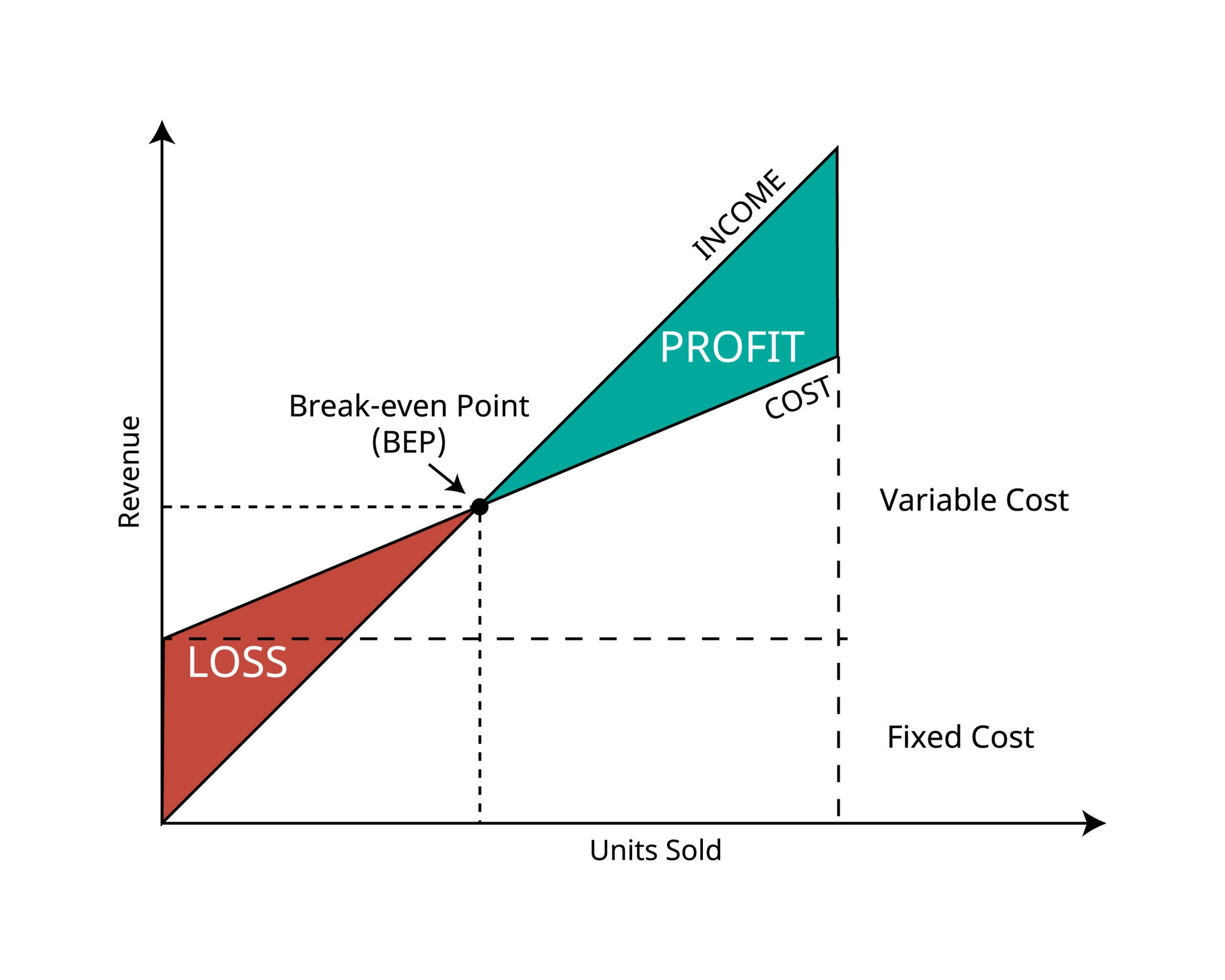 Figure 1: The "Crossover Zone" has shifted. With TIER administrative costs and the new $130 price signal, facilities emitting less than ~2,000 tonnes (red zone) save money by opting out.
Strategic Note: If you are a "High Performer" beating your benchmark significantly, the $130 price is good news—your credits are worth more. But for the vast majority of small, passive emitters, this is a cost increase.
4. Don't Guess. Run the "Carney-Smith" Numbers.
The regulatory environment just changed overnight. Your 2025 budget needs to catch up.
You don't need a legally binding opinion to see where you stand. We have updated the TIER opt-out calculator with the new MOU pricing and threshold rules.
Input your fuel usage.
Apply the new $130 TIER price logic.
See your exact savings in 60 seconds.
Stop paying a premium to be regulated. Check your Opt-Out eligibility now.