In the rapidly evolving Canadian enterprise landscape of 2026, data is no longer just an asset; it's the currency of strategic agility. Organizations have invested heavily in Business Intelligence (BI) tools and dashboards, yet a common frustration persists: the gap between possessing data and truly acting on it. Executive teams often face a deluge of information, struggling to discern trusted insights from raw numbers, leading to analysis paralysis or, worse, decisions based on intuition rather than informed intelligence.
The challenge isn't merely about generating reports; it's about architecting a BI program that delivers trusted metrics, optimizes executive reporting cadence, and fosters a culture where leaders can act with confidence. This requires a shift from reactive data delivery to proactive, strategic insight generation.
The Trust Deficit: Why Executives Hesitate to Act on BI
Many executives view BI reports with a degree of skepticism. This 'trust deficit' often stems from several critical issues:
- Inconsistent Definitions: The same metric (e.g., 'customer churn') might be calculated differently across departments, leading to conflicting numbers and undermining credibility.
- Data Quality Concerns: Errors, incompleteness, or staleness in underlying data erode confidence. If the foundation is shaky, the insights built upon it will be too.
- Lack of Context: Reports often present numbers without the 'why' or 'so what,' leaving executives to interpret complex data without sufficient business context.
- Information Overload: Too many dashboards, too many metrics, and too little focus on what truly matters can overwhelm decision-makers.
Overcoming this deficit is paramount. Trusted metrics are the bedrock of any BI program that aims to drive decisive action.
Establishing Trusted Metrics: The Foundation of Action
Building trust begins with a robust approach to data governance and master data management. For Canadian enterprises navigating complex regulatory environments and diverse operational landscapes, this isn't optional; it's fundamental.
- Standardized Definitions: Implement a clear, enterprise-wide glossary for all key business metrics, ensuring every department uses the same calculation and interpretation. This often requires cross-functional collaboration and executive sponsorship.
- Data Quality Frameworks: Establish systematic processes for data validation, cleansing, and monitoring. Proactive identification and resolution of data quality issues are crucial.
- Data Lineage and Transparency: Executives need to understand where the data comes from, how it's transformed, and who is accountable for its accuracy. Providing clear data lineage instills confidence.
Actionable Takeaway 1: Establish a cross-functional Data Governance Council, empowered with executive sponsorship, to define, validate, and oversee all critical business metrics. This council should own the enterprise data glossary and data quality standards.
Optimizing Executive Reporting Cadence for Strategic Impact
The rhythm and content of executive reporting are just as crucial as the underlying data quality. Many organizations fall into the trap of delivering static, monthly 'data dumps' that fail to align with the pace of strategic decision-making.
- Align with Decision Cycles: Tailor reporting frequency and content to match the specific decision-making cycles of executives. Operational leaders might need daily or weekly insights, while strategic leaders might focus on monthly or quarterly trends and forward-looking projections.
- Focus on Strategic KPIs: Move beyond operational metrics to Key Performance Indicators (KPIs) that directly link to strategic objectives. Executives need to know if the organization is moving closer to its strategic goals, not just if individual operations are running.
- Visual Storytelling: Present data not just as numbers, but as a clear, concise narrative. Use compelling visualizations that highlight trends, anomalies, and critical insights. The goal is to facilitate understanding and provoke discussion, not to showcase every data point.
From Data to Dialogue: Fostering Actionable Conversations
Reports should be conversation starters, not end products. The most effective BI programs foster an environment where data leads to dialogue, debate, and ultimately, decisive action.
- Contextualized Insights: BI analysts should evolve beyond data providers to strategic partners, adding qualitative context and potential implications to quantitative reports. What market shifts are impacting these numbers? What external factors are at play?
- Interactive Exploration: Empower executives with self-service capabilities for deeper dives into specific areas of interest, while maintaining guardrails for data integrity and consistent definitions.
- Feedback Loops: Establish a continuous feedback loop between executives and BI teams. What questions do leaders have? What additional insights do they need? This iterative process ensures reports remain relevant and impactful.
Actionable Takeaway 2: Implement regular 'BI Review Workshops' where executive teams and BI analysts collaboratively interpret reports, discuss implications, and refine reporting requirements. This fosters shared understanding and accountability.
Building a BI Program Leaders Can Act On
An actionable BI program transcends tools and technology; it's about people, processes, and a strategic vision for how data drives the organization forward. For Canadian enterprises, this often means integrating BI into broader data governance and analytics strategies.
- People: Invest in skilled BI analysts who understand both data and business strategy. Cultivate data stewards who champion data quality and consistency across departments. Ensure executive sponsors actively champion the BI program.
- Process: Adopt agile methodologies for BI development, allowing for rapid iteration and continuous improvement based on user feedback. Integrate BI processes with overall program management to ensure alignment with strategic initiatives.
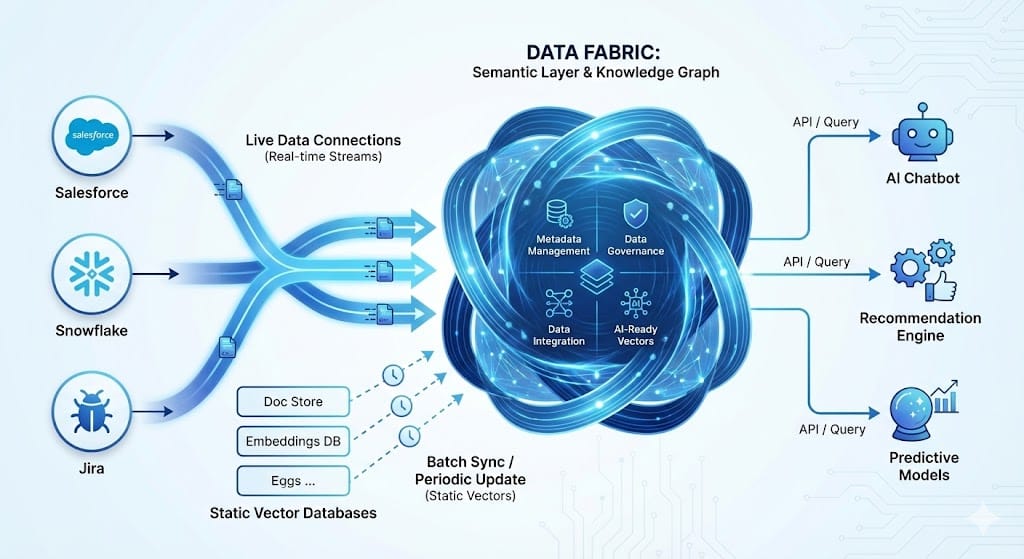
- Technology: While not the sole focus, scalable, secure, and user-friendly BI platforms are essential. Consider how these platforms integrate within a broader 'data fabric' architecture that ensures data accessibility, security, and quality across the enterprise.
The Role of Agentic AI in Future BI (2026 Context)
Looking ahead to 2026, agentic AI will increasingly augment BI capabilities, not replace them. AI can enhance anomaly detection, generate predictive insights, and even automate the synthesis of summary reports. However, the effectiveness of AI in BI is entirely dependent on the quality and trustworthiness of the underlying data and the robustness of the BI program. Agentic AI amplifies the need for strong data governance and human-in-the-loop oversight to ensure ethical, accurate, and actionable insights.
Actionable Takeaway 3: Pilot AI-driven BI augmentation tools (e.g., for predictive analytics or automated insight generation) in areas with high data maturity and clear business questions. Crucially, ensure human oversight and validation remain central to the decision-making process.
Optimal Works: Your Partner in Actionable BI
Optimal Works understands the unique challenges Canadian enterprises face in transforming raw data into strategic advantage. Our advisory services focus on building robust BI programs that deliver trusted metrics and actionable insights. We help organizations:
- Design and implement comprehensive data governance frameworks to ensure data quality and consistency.
- Develop analytics strategies that align BI initiatives directly with strategic business objectives.
- Optimize executive reporting cadences and develop compelling data visualization techniques.
- Provide program management expertise to ensure your BI initiatives are delivered on time, within budget, and achieve measurable impact.
- Guide the integration of advanced analytics and agentic AI capabilities responsibly and effectively.
Don't let your BI investments remain underutilized. Partner with Optimal Works to move beyond dashboards and empower your leaders with the trusted insights they need to make decisive, impactful choices in 2026 and beyond.
Discuss this with your team
Optimal Consulting helps enterprises deliver on Business intelligence reporting—from strategy through execution.
Book a consultation