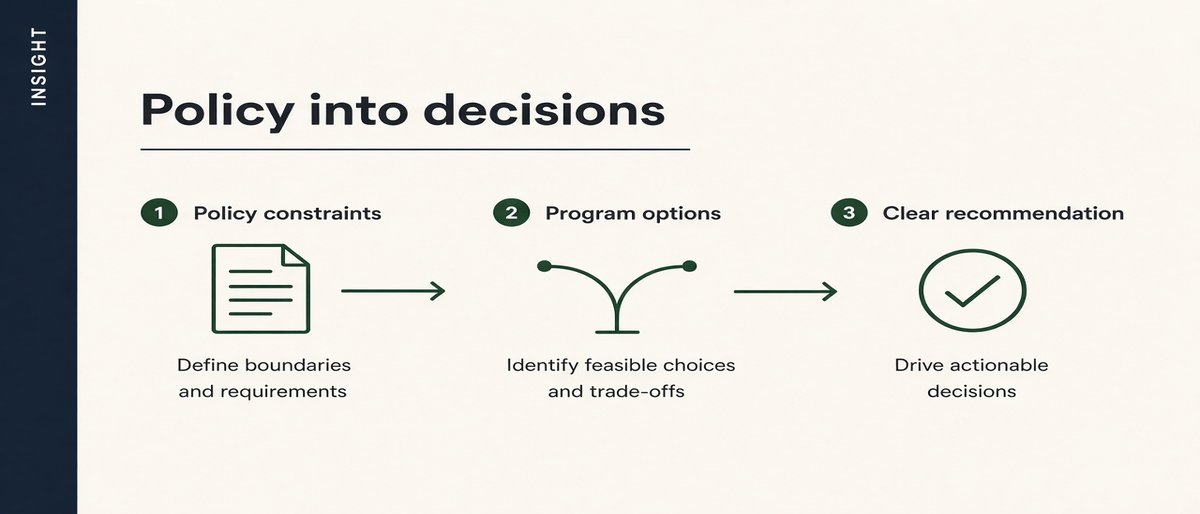
The landscape for artificial intelligence in Canada is shifting rapidly. With 2026 fast approaching, the promise of agentic AI and advanced analytics is tempered by the solidification of new regulatory frameworks. For enterprise leaders, this isn't merely a compliance exercise for legal departments; it's a strategic imperative that demands proactive translation of policy into concrete, executable program decisions across the organization.
The Accelerating Regulatory Horizon for AI
Canada, like many global jurisdictions, is moving towards a more structured approach to AI governance. The Artificial Intelligence and Data Act (AIDA), as part of Bill C-27, signals a clear intent to regulate high-impact AI systems. While the specifics are still evolving, the direction is clear: organizations deploying AI will face increased scrutiny regarding data provenance, model transparency, bias mitigation, risk assessment, and accountability. This isn't just about avoiding penalties; it's about building trust, managing reputational risk, and maintaining a license to operate and innovate in an increasingly AI-driven economy.
The challenge for Canadian enterprises lies in interpreting these broad regulatory intentions and transforming them into practical, measurable, and integrated program actions. Many organizations are still grappling with the foundational elements of data governance and responsible AI principles. The impending regulatory wave demands a shift from reactive compliance to proactive, strategic adaptation.
From Policy Intent to Program Execution: Why it Matters
Regulatory change, particularly in a domain as complex and pervasive as AI, impacts every facet of an enterprise. It influences product design, service delivery, operational efficiency, risk management, and ultimately, market competitiveness. A failure to translate regulatory intent into well-defined programs can lead to significant consequences:
- Stalled Innovation: Uncertainty around compliance can cause delays in AI product development and deployment.
- Increased Risk Exposure: Non-compliance can result in substantial fines, legal challenges, and reputational damage.
- Operational Inefficiency: Retrofitting compliance after deployment is far more costly and disruptive than integrating it from the outset.
- Loss of Trust: A perceived lack of responsible AI practices can erode customer and stakeholder confidence.
Conversely, enterprises that proactively embed regulatory strategy into their program management can unlock significant advantages. They can design more robust, ethical, and trustworthy AI solutions; accelerate time-to-market with compliant offerings; and build a stronger foundation for sustained innovation.
Actionable Strategies for Enterprise Leaders
Translating AI regulatory and policy change into executable program decisions requires a multi-faceted approach. Here are three actionable strategies for Canadian enterprise leaders:
1. Establish a Cross-Functional Regulatory Intelligence Hub
Regulatory insights should not be siloed within legal or compliance departments. Create a cross-functional hub comprising representatives from legal, risk, technology, product development, data governance, and operations. This team's mandate should be to:
- Monitor & Interpret: Actively track regulatory developments (e.g., AIDA, provincial privacy laws, international standards).
- Assess Impact: Analyze how emerging regulations will specifically affect current and planned AI initiatives and data practices.
- Disseminate & Educate: Translate complex legal language into clear, actionable guidance for program managers and development teams.
- Advise & Guide: Provide ongoing counsel to ensure AI programs are designed with future compliance in mind.
This hub acts as an internal 'regulatory radar,' ensuring that all relevant stakeholders understand the evolving landscape and its implications for their respective domains.
2. Integrate Regulatory 'By Design' into Program Planning
Compliance cannot be an afterthought; it must be a foundational element of every AI-driven program. This means embedding regulatory requirements into the very DNA of program charters, development lifecycles, and governance frameworks:
- Early Impact Assessments: Conduct AI Impact Assessments (AIAs) at the inception of any new AI program to identify potential regulatory, ethical, and societal risks.
- Data Governance Mandates: Enforce strict data governance protocols from data ingestion to model deployment, ensuring data quality, privacy, and provenance are auditable and compliant.
- Explainability & Transparency Requirements: Define clear standards for model explainability and transparency tailored to regulatory expectations and integrate these into development milestones.
- Continuous Monitoring & Auditability: Design programs with built-in mechanisms for ongoing monitoring of AI system performance, bias, and adherence to regulatory standards, ensuring a clear audit trail.
By making 'regulatory by design' a core principle, enterprises can avoid costly retrofits and ensure their AI initiatives are inherently compliant and responsible.
3. Develop Scenario-Based Program Roadmaps
The precise details of future AI regulations may still be fluid. To navigate this uncertainty, enterprises should develop scenario-based program roadmaps. This involves:
- Identifying Regulatory Triggers: Pinpoint key regulatory milestones or potential changes (e.g., finalization of AIDA, new sector-specific guidelines).
- Defining Scenarios: Map out different regulatory outcomes (e.g., more stringent requirements for certain high-risk applications, specific data residency rules).
- Developing Contingency Plans: For each scenario, outline the necessary adjustments to ongoing AI programs, resource allocation, technology stacks, and operational processes.
- Flexible Program Architectures: Design AI systems and programs with modularity and adaptability in mind, allowing for easier pivots in response to new requirements without complete overhauls.
This approach fosters resilience and agility, enabling enterprises to proactively adjust their AI strategies and maintain momentum even as the regulatory environment evolves.
Optimal Works: Your Partner in Regulatory Strategy and Program Execution
At Optimal Works, we understand the complexities Canadian enterprises face in translating abstract regulatory policy into concrete, executable program decisions. Our expertise spans regulatory strategy, robust program management, data governance, and the practical application of agentic AI. We partner with leaders to:
- Demystify Regulations: Providing clear, actionable interpretations of emerging AI and data governance policies.
- Design Strategic Programs: Structuring enterprise-wide programs that embed compliance, manage risk, and drive innovation.
- Implement Governance Frameworks: Establishing the necessary data governance and AI ethics frameworks to meet and exceed regulatory expectations.
- Enable Responsible AI Adoption: Guiding the secure and ethical deployment of agentic AI solutions, ensuring alignment with both business objectives and regulatory mandates.
In an era where AI innovation and regulatory compliance must co-exist, Optimal Works provides the advisory and execution support to transform regulatory challenges into strategic advantages. Proactive engagement with regulatory change is not just about avoiding penalties; it's about securing a competitive, trustworthy, and sustainable future for your enterprise in the AI age.
Discuss this with your team
Optimal Consulting helps enterprises deliver on Regulatory strategy—from strategy through execution.
Book a consultation